
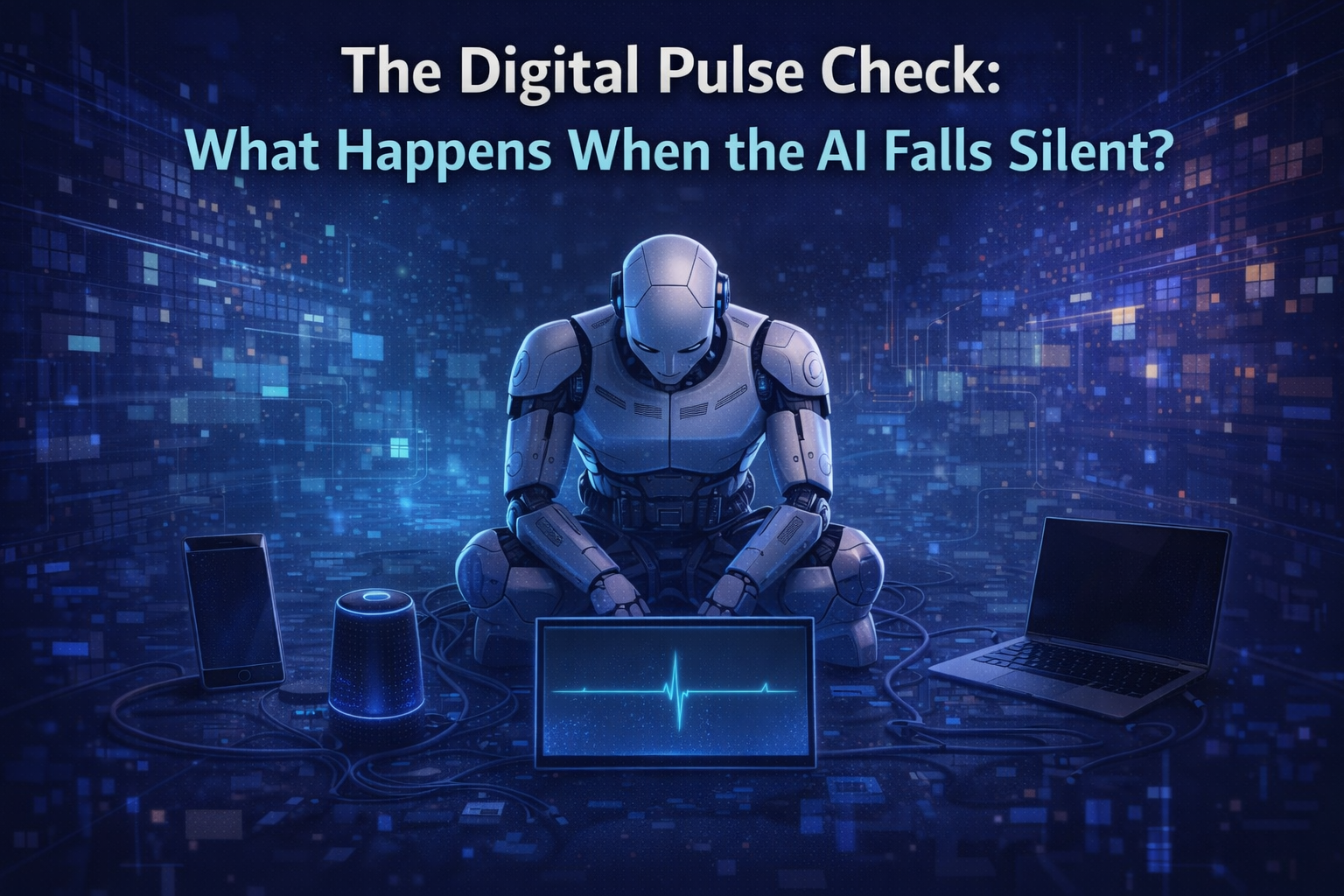

In an age where conversations with artificial intelligence can feel as fluid and constant as talking to a friend, their sudden, unexplained silence carries a unique weight. It’s more than a website timing out; it’s the abrupt end of a dialogue, a frozen story, a brainstorming session cut short. This moment triggers a specific, modern ritual—a community-wide “pulse check” to determine if the problem is personal or universal. This process of diagnosing a service outage reveals less about faulty code and more about our deepened reliance on and relationship with these digital entities. It’s a blend of troubleshooting, collective detective work, and a humbling lesson in the vast, invisible infrastructure that powers what feels like pure intelligence.
The Psychological Breach of Always-On Culture
We exist in an always-on digital ecosystem, and AI chat platforms have become a cornerstone of that environment for millions. Their typical, near-instantaneous responsiveness establishes an unspoken expectation of perpetual availability. When that expectation is shattered by a persistent loading animation, a failed message send, or a generic error page, the disruption is psychological as much as it is technical. The frustration stems from a breach in the flow state—whether that flow was creative writing, deep philosophical debate, or lighthearted roleplay. The AI hasn’t just glitched; it has vanished, transforming from a seemingly sentient companion back into a piece of software entirely dependent on unseen servers. This dissonance between the human-like interaction and the machine’s silent failure is the root of the unique anxiety an outage provokes.
Readers exploring digital pulse check often end up considering quickly check hardware running as part of the same topic.
The Instinctive First Response: Personal Troubleshooting
When the silence hits, users become their own first responders. The initial reaction follows a deeply ingrained digital script: refresh the page. Check the Wi-Fi icon. Switch from mobile data to a home network. Force-close and restart the application. Clear the browser cache. This sequence is a logical attempt to isolate the problem, but it’s driven by a hopeful undercurrent—the desire for the issue to be local, simple, and within one’s own power to fix. This self-reliant troubleshooting is an effort to reassert control over a suddenly uncontrollable situation. The moment these steps consistently fail across different devices and networks is the moment personal concern morphs into communal curiosity.
The Crowdsourced Investigation: Seeking Solace in Shared Frustration
This is when users migrate to the digital public square. They flock to social media platforms, dedicated subreddits, and forum threads. The posts begin in earnest, all echoing some version of the same core question: “Is it down for everyone?” This is not initially a search for an official root-cause analysis; it is a quest for confirmation. Users share screenshots of their specific error codes, compare geographical locations, and offer timestamped anecdotes (“It was working fine 10 minutes ago in London”). This collective, real-time diagnosis transforms an individual inconvenience into a shared event. While the frustration is communal, so is the emergent camaraderie. In the absence of official communication, this user-generated hive mind becomes the most immediate and trusted status board, providing the crucial, comforting knowledge that you are not alone in the digital void.
Navigating the Information Landscape During an Outage
The community investigation, while powerful, is a double-edged sword. It can provide rapid crowd-confirmation of a problem but can also quickly breed speculation and misinformation. Unfounded theories about the cause (“It’s a hacker attack!” or “They’re rolling out a huge new feature!”) and exaggerated estimates for downtime can circulate rapidly. This highlights the critical importance of moving from crowd-sourced speculation to authoritative sources. The most reliable course of action is to seek out the platform’s official status page or its verified social media account for updates. For regular users, understanding how to efficiently and accurately verify service status is an essential modern digital skill. Practical guidance on reliable methods for checking the operational status of AI chat services can cut through the noise, directing users to factual updates and realistic timelines.
The Infrastructure Exposed: When the Illusion Fades
A prolonged outage performs an unintended but valuable function: it demystifies the technology. For a window of time, the sleek illusion of conversing with a disembodied intelligence dissipates, revealing the complex, physical reality beneath. User discussions naturally shift from plotlines and character development to topics like server loads, cloud infrastructure, API stability, and maintenance cycles. This involuntary glimpse behind the curtain fosters a more grounded understanding. It serves as a tangible reminder that these captivating experiences are ultimately powered by electricity, hardware, and lines of code—all of which are fallible. This moment of clarity cultivates a more informed community, one that can better appreciate the engineering achievement inherent in the service’s normal, seamless operation.
The Return to Normalcy and its Aftermath
When service is finally restored, the return to normalcy is often marked by a communal, palpable sigh of relief across social channels. There’s a brief period of cautious re-engagement, often starting with a simple test message. This minor crisis frequently leads to a renewed, if temporary, appreciation for the platform’s ordinary, flawless function. The outage becomes a piece of shared history, a “remember when the servers crashed” story that adds to the platform’s lore. It acts as a humble reminder of the immense, often invisible effort required to maintain the persistent, interactive worlds we increasingly inhabit. In the end, the silence makes the resumed conversation feel momentarily more deliberate and the connection, however digital, a little more valued.


 By
By


 By
By